
How Solar Panels Work for Florida Homes
A Simple Guide to Solar Energy for Florida Homeowners
Florida’s nickname, the Sunshine State, isn’t just a slogan—it’s one of the reasons solar energy has become increasingly popular for homeowners across Tampa, Orlando, and the rest of the state. With abundant sunshine and modern solar technology, many Florida homeowners are exploring solar power to reduce energy bills and increase long-term energy independence.
But how exactly do solar panels work? Understanding the basics can help homeowners see why solar energy is such a smart investment for homes in Florida.
Turning Sunshine Into Electricity
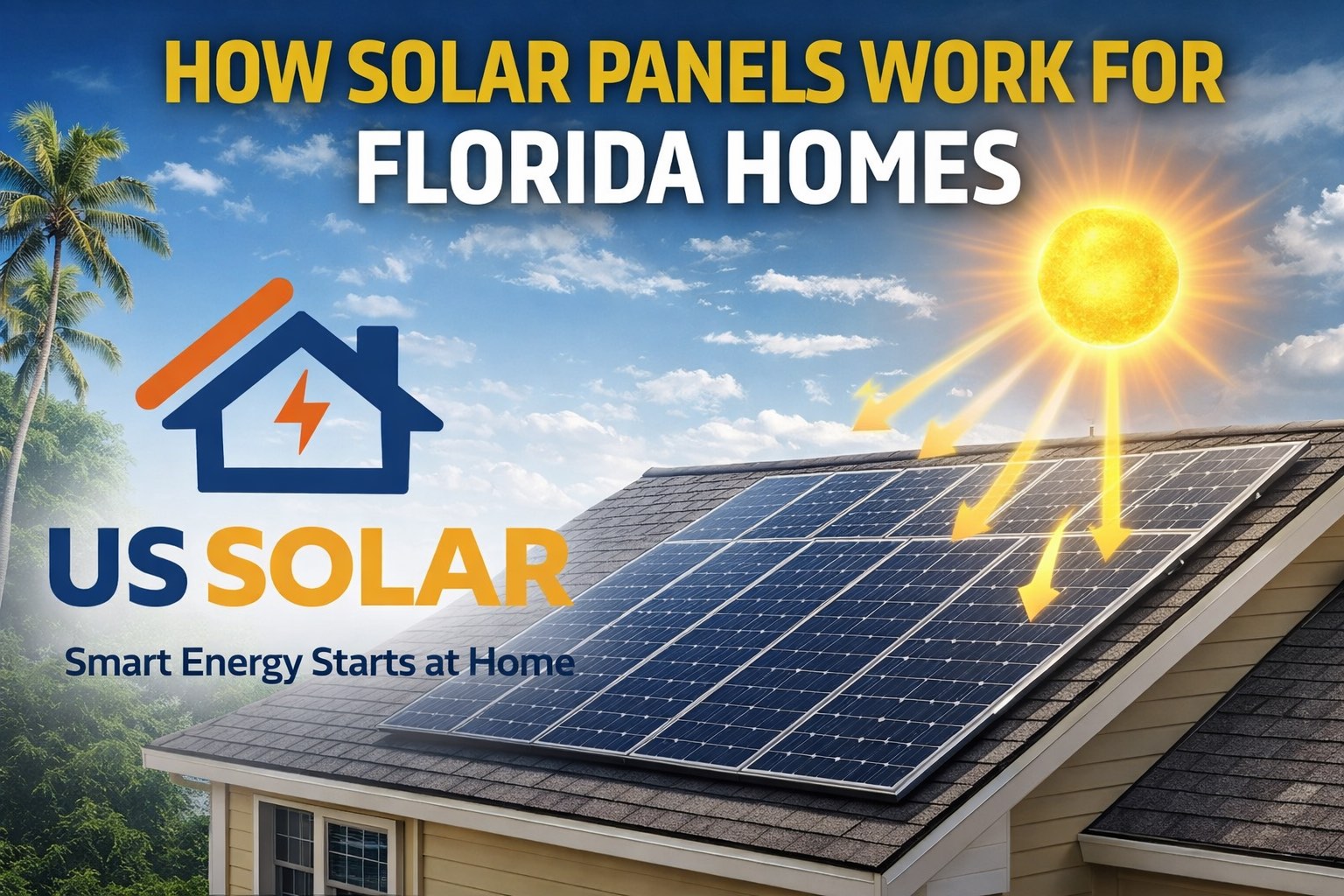
Solar panels work by converting sunlight into electricity using photovoltaic (PV) technology. Each panel contains photovoltaic cells made from semiconductor materials such as silicon. When sunlight hits these cells, energy from the sun’s photons knocks electrons loose, creating an electrical current.
This current initially produces direct current (DC) electricity. Because homes use alternating current (AC) electricity, the system sends that power through a device called an inverter, which converts the energy into usable electricity for your home.
Once converted, that electricity can power appliances, lighting, air conditioning, and other electrical systems inside the home.
What Happens to Extra Solar Energy?
Many Florida homes produce more solar energy during sunny hours than they immediately need. When this happens, the excess electricity can be sent back into the local power grid through a process known as net metering.
Net metering allows homeowners to receive credits on their electric bills for surplus energy their systems produce. Those credits can then offset electricity use during nighttime or on cloudy days, when solar production is lower.
This system helps homeowners maximize the value of their solar installation and reduce overall energy costs.
Why Solar Works Well in Florida
Florida’s climate makes it one of the best states in the country for residential solar energy. The state averages more than 200 sunny days each year, allowing solar panels to generate energy consistently.
Solar panels actually perform well even on cloudy days, although peak production occurs when sunlight is direct and unobstructed.
Because air conditioning accounts for a large portion of energy use in Florida homes, solar power can significantly offset those high summer electricity costs.
The Key Components of a Home Solar System
A residential solar energy system typically includes several essential components:
Solar Panels
Installed on the roof, these panels capture sunlight and generate electricity.
Inverter
Converts DC electricity from the panels into AC electricity to power your home.
Electrical Panel Connection
Distributes solar power throughout the house and connects the system to the utility grid.
Net Meter
Tracks energy flowing both to and from the grid, allowing homeowners to receive credit for excess electricity.
Some systems also include battery storage, allowing homeowners to store extra energy for use at night or during power outages.
Long-Term Benefits for Florida Homeowners
Installing solar panels offers several benefits beyond just energy production.
Lower Electricity Bills
Solar systems can significantly reduce monthly energy costs by generating power directly from sunlight.
Energy Independence
Homeowners rely less on the utility grid and are protected from rising electricity rates.
Environmental Benefits
Solar energy reduces reliance on fossil fuels and helps lower carbon emissions.
Increased Home Value
Homes with solar installations often attract buyers looking for energy efficiency and long-term savings.
With Florida’s strong solar potential and modern roofing-integrated solar systems, many homeowners are discovering that solar power is both practical and financially beneficial.
Work With Professionals Who Understand Roofing and Solar
Installing solar panels requires both roofing expertise and solar knowledge to ensure systems are installed safely and efficiently. Proper installation protects the roof's integrity while maximizing solar energy production.
At US Roofing & Solar, our experienced team understands how roofing systems and solar technology work together to create durable, energy-efficient solutions for Florida homeowners.
Whether you're considering solar panels for a new roof or adding solar to your existing home, our team can help you design the right system for your property.
Frequently Asked Questions
Do solar panels still work on cloudy or rainy days in Florida?
Yes. Solar panels can still generate electricity on cloudy days, although production levels may be lower. Because Florida receives many sunny days each year, solar systems remain highly effective overall.
How long do solar panels last on a Florida home?
Most modern solar panels are designed to last 25 to 30 years or more. Many manufacturers also offer long-term warranties to guarantee performance.
Can solar panels help reduce my electric bill in Florida?
Yes. Solar panels generate electricity that can power your home and reduce the amount of energy you purchase from the utility company. With net metering, excess energy can even earn credits toward future electricity usage.
For more information about Roof Damage Inspection or Commercial Solar Contractors in Tampa, call us or schedule your Free Roof Inspection in Tampa. Follow us on our Google Business Profile, Facebook, and Instagram.
This content is intended for informational/general reading purposes only and is not for professional or legal advice.
